How I Trained Before Rucking: A 4-Week Pre-Ruck Workout Plan
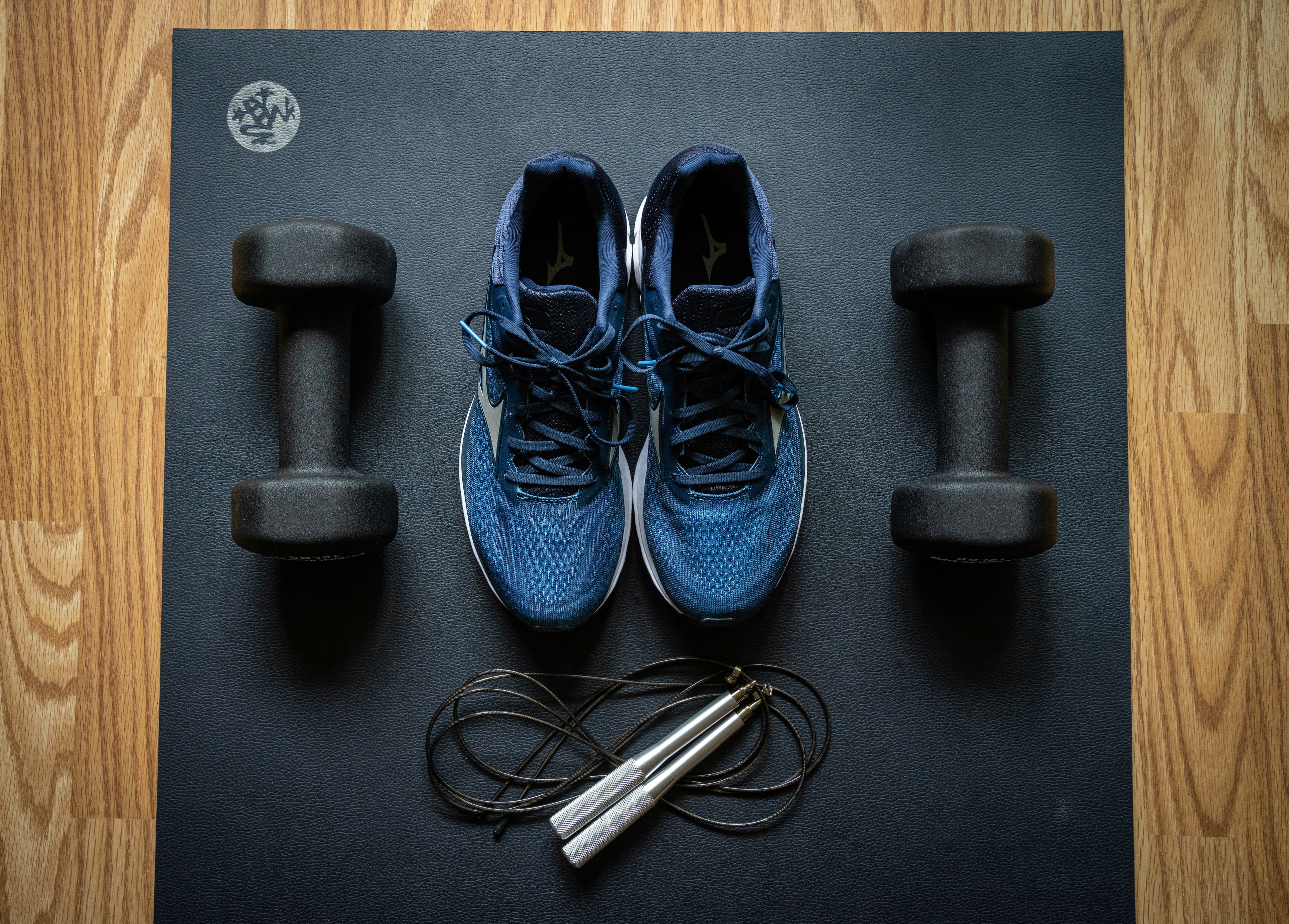
Thinking about starting rucking? Great choice. But before you throw on a rucksack and head out, it's smart to build some foundational strength first. In this post, I’ll share exactly how I trained my body for rucking with a 4-week pre-ruck workout routine......no gym membership needed.
Why Pre-Ruck Training Matters
Rucking puts unique stress on your body: weighted walking demands strength, endurance, posture control, and durable feet. If you’re brand new to it, or returning after a break, a proper pre-ruck routine can reduce injury risk and boost performance.
Before my first ruck, I trained 2–3 times a week for 4 weeks, focusing on:
Core and leg endurance
Grip and shoulder stability
Foot and ankle resilience
Postural strength and mobility
4-Week Pre-Ruck Workout Plan
Workout Frequency: 2–3x per week
Time per Session: ~30–45 minutes
Program Duration: 4 weeks
This routine is built around bodyweight strength, TRX training, and light resistance work.
High-Rep Bodyweight Conditioning (3 Sets of 20–30 Reps)
1. Step-Ups
Muscles worked: Quads, glutes, calves
Step up onto a sturdy box or step
Press through the heel
Stand tall, then lower with control
2. Bicycle Kicks
Muscles worked: Core, obliques
Lie on your back, hands behind your head
Bring opposite elbow to knee
Extend the other leg, switch sides in a pedaling motion
3. Sit-Ups
Muscles worked: Abs
Keep feet flat and knees bent
Engage core to lift up
Lower slowly without momentum
4. Calf Raises
Muscles worked: Calves
Stand tall, rise onto toes
Hold briefly, then lower under control
Strength & Stability Circuit (3 Sets of 10 Reps)
5. Rows
Muscles worked: Lats, biceps, rhomboids
Lean back while holding TRX straps (you can use a table if you don't have TRX strap)
Pull chest toward handles
Keep elbows tucked, core engaged
6. Squats
Muscles worked: Quads, glutes
I used a TRX strap for support
Squat down keeping knees behind toes
Drive up through heels
- my mental thought is that I’m sitting down in a chair
7. Pushups
Muscles worked: Chest, triceps, shoulders
Maintain a strong plank
Lower chest to floor, elbows at 45°
Press back up keeping core tight
8. Bird Dogs
Muscles worked: Core, glutes
From hands and knees, extend opposite arm and leg
Keep hips level
Pause, then return and switch
Loaded Carry for Grip & Core
9. Farmer Carry (20 lbs per hand, 55 yards)
Muscles worked: Grip, core, traps, stabilizers
Carry dumbbells with shoulders down and back
Walk slowly and upright
Avoid leaning or rushing
Foot & Arch Strength
10. Towel Scrunches (2–3 Sets of 10 Reps)
Muscles worked: foot muscles
Sit with a towel under one foot
Scrunch and pull towel using toes
Helps with arch control and foot endurance
Hear More on The Rucker’s Edge Podcast
Want deeper insight into how I train, what gear I use, and how I progressed my ruck mileage?
➡️ Listen on Apple Podcast
➡️ Listen on Spotify
**Disclaimer**
I’m not a medical professional. This post reflects my personal experience with training for rucking. Please consult your doctor, physical therapist, or certified fitness professional before beginning any new exercise program...especially one involving load-bearing activity like rucking.
Final Thoughts
Rucking is one of the most effective and accessible forms of weighted endurance work.
But you definitely but don’t want to skip the prep. Especially if you have prexisting medical conditions or have been inactive for an extended length of time.
A month of smart training can prevent injury, boost confidence, and make your first ruck feel strong.
Ruck on,
Spencer
Host of The Rucker’s Edge Podcast
Photo by Alexandra Tran on Unsplash
When You're Ready to Scale Up Your Rucking: The Complete Guide